
Targeted Off-Page SEO Strategies for Maximum Rankings Impact
Your content may be flawless, but without targeted off-page SEO strategies, Google may treat it like a secret diary, well-written, but invisible to the world that needs it most.
After working with over 200 digital agencies and global brands across three continents, I’ve seen countless businesses pour their hearts into creating amazing content, only to watch it gather digital dust. The problem isn’t their content quality, it’s their approach to off-page SEO. They’re still playing the old numbers game while their competitors quietly build real authority where it actually matters.
In this comprehensive guide, I’ll show you exactly how to break free from generic link-building tactics and implement targeted off-page SEO strategies that deliver measurable results. You’ll discover the same methods that helped Elena’s Berlin-based SaaS startup double their organic traffic in six months and Jonas’s Copenhagen fintech company land eight backlinks from Forbes Tech.
What Are Targeted Off-Page SEO Strategies?
Picture this: I once audited a fitness brand in Amsterdam that had been working with an SEO agency for eighteen months. They’d built over 500 backlinks, an impressive number on paper. The reality? Sixty percent of their backlinks came from irrelevant recipe blogs and random lifestyle sites. Google saw right through it, and their rankings reflected the disconnect.
That’s the fundamental difference between generic off-page SEO and targeted off-page SEO strategies. While traditional approaches focus on volume, targeted strategies prioritize relevance, authority, and genuine value creation.
The Definition of Strategic Off-Page SEO
Targeted off-page SEO strategies are deliberate, niche-specific actions taken outside your website to build authority, trust, and relevant connections with your exact target audience. Instead of casting a wide net hoping something sticks, you’re laser-focused on activities that directly support your business goals and resonate with your ideal customers.
This approach differs dramatically from the “spray and pray” tactics that dominated SEO for years. Rather than submitting to hundreds of directories or buying bulk backlink packages, you’re building genuine relationships and creating valuable content that naturally attracts high-quality links and mentions.
Why Generic Off-Page SEO Falls Short
Generic off-page SEO tactics like mass directory submissions provide little to no value in today’s search landscape. An astonishing 95% of pages have zero backlinks, making quality over quantity more critical than ever. Worse, generic tactics can actually harm your domain authority by associating your brand with low-quality, irrelevant sources. Random link building wastes precious time and resources while delivering minimal impact on your actual business objectives.
When Marco, a digital marketing consultant in Milan, came to me with declining rankings despite “aggressive link building,” we discovered his previous agency had focused entirely on quantity metrics. They’d secured links from sites with zero topical relevance to his B2B marketing expertise. It took eight months of strategic cleanup and targeted link building to restore his domain’s credibility.
The Power of Targeted Approaches
Targeted off-page SEO strategies deliver higher ROI from focused efforts because they align perfectly with Google’s E-E-A-T (Experience, Expertise, Authoritativeness, Trustworthiness) guidelines. In 2024, 36.3% of SEO experts believed in building link assets, i.e. publishing high-quality articles, original research, infographics, etc. Instead of diluting your authority across irrelevant topics, you’re building concentrated expertise signals that search engines can clearly understand and reward.
This approach creates sustainable long-term ranking improvements rather than temporary boosts that disappear with the next algorithm update. You’re not gaming the system, you’re becoming genuinely valuable to your target audience and industry.
Why Targeted Off-Page SEO Is Crucial in 2026
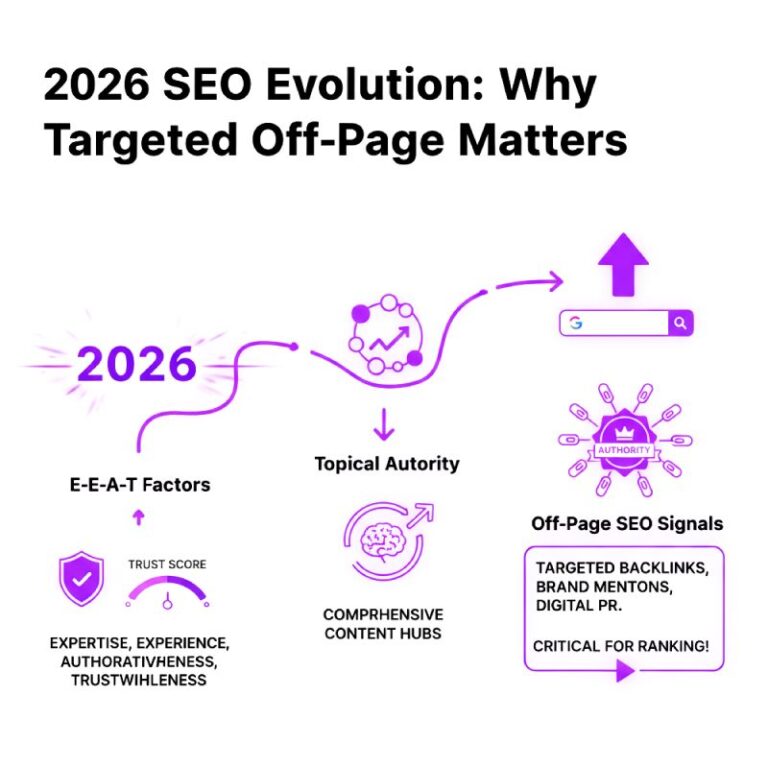
Google’s algorithms have evolved far beyond simple link counting. Today’s search engine prioritizes topical authority over volume metrics, making targeted off-page SEO strategies essential for sustainable success.
Algorithm Changes Favor Relevance
The June 2026 algorithm update rewarded sites that show originality, insight, and depth, emphasizing Google’s continued focus on topical authority, your demonstrated expertise in specific subject areas, over generic link popularity. Topical authority is being rewarded – Websites that consistently cover a subject in depth, and become a go-to resource for it, will likely gain in visibility.
The search engine has become remarkably sophisticated at understanding context, relevance, and user intent. This means your off-page efforts must align with your content themes and audience needs. Top pages in Google have approximately 3.8 times more backlinks than lower-ranked ones, but the quality and relevance of those links matter more than the sheer number.
When Sofia launched her eco-fashion store in Barcelona, we focused exclusively on sustainable fashion publications, environmental blogs, and ethical shopping platforms. Despite building only thirty-seven backlinks in her first year, she consistently outranked competitors with hundreds of generic fashion links.
Benefits of Strategic Off-Page SEO
Targeted off-page SEO strategies improve domain authority and trust signals by creating clear topical relevance patterns that search engines can easily understand and reward. Over 78% of SEOs see a positive impact and ROI from their link building activities, with 28% of SEO budgets going towards link building.
You’re not just building links, you’re building a reputation ecosystem that supports long-term growth. These strategies attract qualified traffic, not just any visitors. When your backlinks come from sources your target audience actually reads and trusts, the referral traffic converts at significantly higher rates than random organic visitors.
The approach enhances brand relevance in your specific niche while supporting long-term ranking stability. You’re building genuine authority that withstands algorithm updates rather than temporary ranking boosts that disappear overnight.
Competitive Advantage Through Targeting
55.2% of surveyed specialists consider link building the most challenging part of SEO, creating massive opportunities for businesses that implement targeted off-page SEO strategies effectively. While most competitors still use generic approaches, you’re building relationships with the publications and influencers that actually matter to your audience.
This targeted approach creates differentiation in crowded markets. When you consistently appear in the same trusted sources your prospects already follow, you become the obvious expert choice rather than just another option in search results.
Foundation: Strategic Analysis Before Implementation
Before launching any off-page SEO campaigns, you need deep intelligence about your audience, competitors, and industry landscape. This research phase determines the success or failure of everything that follows.
Know Your Target Audience Deep Dive
Understanding where your audience spends time online goes far beyond basic demographics. You need to identify the specific publications they read, podcasts they listen to, social media communities they engage with, and influencers they follow for professional insights.
Content consumption patterns vary dramatically by industry. B2B software buyers might prioritize in-depth whitepapers and industry reports, while e-commerce shoppers respond better to visual content and influencer recommendations. Your off-page strategy must align with these preferences.
I discovered this firsthand when working with a fintech client who was struggling despite excellent content. Their biggest backlink gap was ignoring industry podcasts, their target audience consumed financial content primarily through audio. Adding three strategic podcast appearances boosted their domain rating by twelve points within four months.
Comprehensive Competitor Backlink Analysis
Using tools like Ahrefs and SEMrush for intelligence gathering reveals exactly where your competitors earn their most valuable links. This analysis identifies high-value link sources in your niche while uncovering gaps in competitor strategies that you can exploit.
Look beyond surface metrics to understand the content that naturally attracts links in your industry. Are competitors earning links through original research, expert commentary, or comprehensive guides? This intelligence shapes your content creation strategy and drives your outreach priorities.
When analyzing competitor backlinks, pay attention to patterns in their most successful content. What topics consistently earn coverage? Which formats perform best? This insight guides your own content development and outreach priorities.
Industry Landscape Mapping
Identifying key publications and blogs in your industry creates your target list for guest posting, expert commentary, and content partnerships. Look for publications with engaged readerships rather than just high domain authority scores.
Finding niche-specific forums and communities reveals opportunities for thought leadership and helpful participation. These platforms often provide more qualified traffic than generic forums because the audiences are highly targeted.
Discovering relevant podcast opportunities requires research into shows that specifically serve your target market. Industry-specific podcasts often have more engaged audiences than general business shows, making them incredibly valuable for authority building.
Core Targeted Link Building Strategies
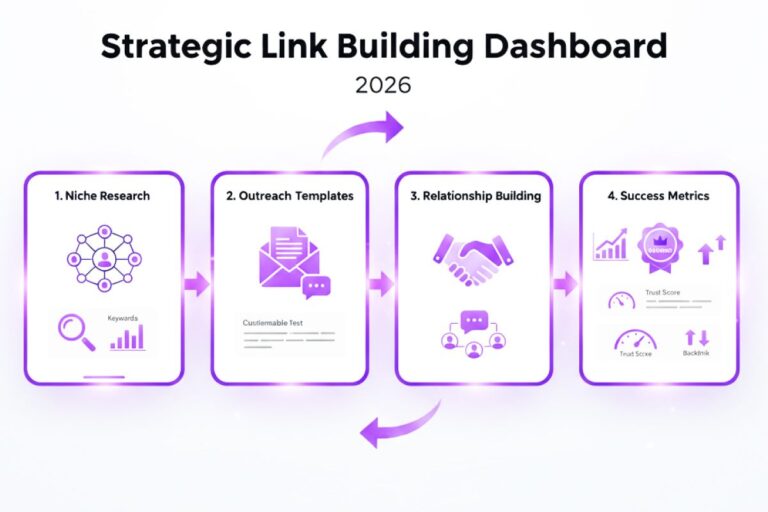
Link building remains the cornerstone of off-page SEO, but the approach has evolved dramatically. Success requires strategic thinking, relationship building, and genuine value creation.
Niche-Specific Guest Posting
Research methodology for finding industry-relevant sites starts with identifying publications your target audience actually reads. Use tools like BuzzSumo and Ahrefs to find sites that consistently publish content similar to your expertise areas.
Your pitch templates must demonstrate clear understanding of the publication’s audience and content standards. Generic templates get deleted immediately. Successful pitches show you’ve read recent articles and can contribute unique insights their readers haven’t seen elsewhere.
Content ideation for targeted audiences requires deep understanding of current industry challenges and trending topics. Monitor industry forums, social media discussions, and Google Trends to identify content gaps you can fill with authoritative insights.
Strategic link placement within guest content should feel natural and genuinely helpful to readers. The best guest post links enhance the content rather than disrupting it, providing additional resources that support the main points.
Guest Posting Best Practices
Quality site selection criteria include editorial standards, audience engagement, and topical relevance over domain authority alone. A highly engaged niche publication with moderate authority often delivers better results than a high-authority site with poor audience fit.
Building relationships with editors requires consistent value delivery and professional communication. Respond promptly to feedback, meet deadlines religiously, and always deliver more value than promised. These relationships become invaluable for ongoing coverage opportunities and can lead to influencer partnerships.
Creating evergreen, valuable content ensures your guest posts continue driving traffic and authority long after publication. Focus on topics that remain relevant rather than trending news that quickly becomes outdated.
Advanced Broken Link Building
Tools and methods for finding broken links in your niche include Ahrefs’ Broken Link Checker, Check My Links browser extension, and manual exploration of resource pages in your industry. Focus on high-authority sites where broken links represent genuine problems for users.
Creating replacement content that outperforms originals requires understanding why the original content was valuable enough to attract links. Study archived versions, analyze what made it linkworthy, then create something significantly better and more current.
Personalized outreach templates for broken link opportunities must demonstrate genuine helpfulness rather than self-serving promotion. Lead with the problem you’re solving for their users, then casually mention your replacement resource.
Building relationships through helpful suggestions extends beyond link requests. Point out other site issues, share relevant industry insights, and become a genuinely helpful contact rather than just another person asking for links.
The Skyscraper Technique 2.0
Identifying linkable assets in your industry starts with analyzing content that has already earned significant links and social shares. Use Ahrefs’ Content Explorer to find popular content in your niche, then analyze what made it successful.
Content gap analysis for improvement opportunities reveals ways to create something significantly better than existing popular content. Look for outdated information, missing perspectives, better data visualization opportunities, or more comprehensive coverage.
Creating 10x better content means providing substantially more value than existing alternatives. This might mean more comprehensive research, better visual presentation, more actionable insights, or unique data that others haven’t published.
When Sofia’s eco-fashion store in Barcelona created an updated version of a competitor’s outdated sustainability guide with current 2026 statistics and brand recommendations, it attracted forty-three backlinks within six months and tripled her referral traffic.
Strategic promotion for maximum link acquisition requires targeted outreach to people who are linked to the original content, industry publications that cover similar topics, and influencers who share related content with their audiences. This connects directly to your digital PR strategy.
Digital PR and Authority Building
Digital PR transforms traditional publicity into strategic authority building that directly supports SEO goals. The key is creating newsworthy content that naturally attracts coverage from publications your target audience trusts.
Strategic Media Outreach
HARO (Help a Reporter Out) optimization requires setting up targeted alerts for queries relevant to your expertise areas, then crafting compelling responses that position you as the obvious expert source. Quality responses that directly address reporter needs often earn high-authority backlinks from major publications.
Building relationships with niche journalists creates ongoing opportunities for expert commentary and source quotes. Follow journalists who cover your industry on social media, engage thoughtfully with their content, and share relevant insights before pitching story ideas.
Creating newsworthy angles for your expertise involves identifying industry trends, conducting original research, or offering contrarian perspectives that challenge conventional wisdom. Reporters need fresh angles on familiar topics, not recycled press releases.
Jonas, a SaaS founder in Copenhagen, landed eight backlinks from Forbes Tech after publishing original survey data about remote work productivity in European startups. The key was timing, releasing the data during broader conversations about future work trends.
Expert Roundups and Collaborations
Positioning yourself as an industry thought leader requires consistent sharing of valuable insights across multiple platforms. Contribute to expert roundups, comment thoughtfully on industry developments, and share unique perspectives that demonstrate deep expertise.
Contributing to expert roundups provides exposure to new audiences while building relationships with other industry authorities. These collaborations often lead to additional partnership opportunities and mutual promotion.
Co-creating content with other authorities amplifies your reach while building valuable professional relationships. Joint whitepapers, webinar series, and research projects combine expertise while sharing promotional responsibilities.
Original Research and Data-Driven PR
Conducting industry surveys and studies creates unique, linkable assets that naturally attract media coverage and backlinks. Original research provides value that can’t be found elsewhere, making it highly attractive to journalists and bloggers.
Publishing research that attracts media attention requires professional presentation, compelling insights, and strategic timing. Release findings when they’re most relevant to current industry discussions.
Creating shareable data visualizations and infographics makes complex research more accessible and social media friendly. Visual content gets shared more frequently and often earns links from publications that might not cover traditional research reports.
Influencer Collaboration and Partnership Strategies
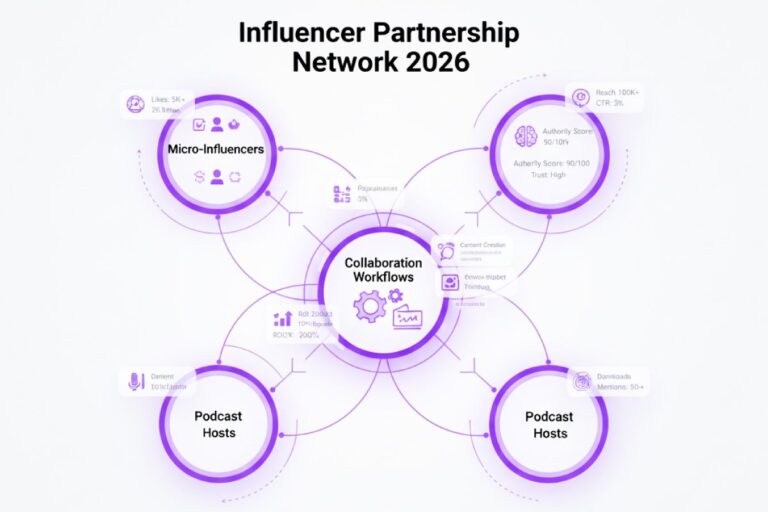
Influencer partnerships have evolved beyond simple product endorsements. Strategic collaborations build genuine authority while creating valuable content that naturally attracts links and mentions.
Micro-Influencer Partnerships
Identifying influencers with engaged niche audiences often provides better results than partnering with large influencers who lack audience alignment. Look for consistent engagement rates, audience comments that demonstrate genuine interest, and content that aligns with your brand values.
Collaboration frameworks for mutual benefit create sustainable partnerships rather than transactional relationships. Offer value beyond payment, exclusive insights, early access to content, or co-creation opportunities that enhance their content quality.
Content co-creation strategies produce assets that both parties can promote, maximizing reach while sharing creation responsibilities. Joint interviews, collaborative guides, or co-hosted events create win-win scenarios that can be leveraged in your community engagement efforts.
Strategic Podcast Guest Appearances
The voice recognition market is projected to reach $26.8 billion by the end of 2026, making podcast appearances increasingly valuable for SEO. Finding relevant podcasts in your niche requires research into shows that specifically serve your target audience.
Industry-specific podcasts often have more engaged listeners than general business shows, making them valuable for authority building. Voice search results are delivered 52% significantly faster than traditional text-based searches, indicating the growing importance of optimizing for voice and audio content.
Pitch strategies for booking interviews must demonstrate clear value for the host’s audience. Research recent episodes, understand the host’s interview style, and propose specific topics that align with their content themes.
Preparing for maximum SEO value includes having your website optimized for traffic from podcast listeners, creating dedicated landing pages for podcast mentions, and following up with hosts to maintain relationships for potential future collaborations.
Community Engagement and Brand Mention Optimization
Building authentic community relationships creates long-term authority while generating natural link opportunities. The key is providing genuine value rather than promotional content.
Niche Forum and Q&A Platform Strategy
Identifying high-value forums in your industry requires research into platforms where your target audience seeks advice and shares insights. Industry-specific forums often provide more qualified engagement than generic platforms like Reddit, though Reddit can be valuable for certain niches.
Building reputation through helpful contributions takes time and consistency. Focus on providing detailed, actionable answers rather than promotional responses. Your expertise should be evident through the quality of your contributions, not explicit self-promotion.
Strategic link sharing without being promotional means only linking to resources when they genuinely enhance your answers. Natural link integration feels helpful rather than forced, supporting your points rather than dominating them.
Brand Mention Optimization
Setting up comprehensive brand monitoring ensures you catch every mention of your company, products, or key team members across the web. This intelligence helps you respond to conversations and identify unlinked mention opportunities for your measurement and optimization framework.
Converting unlinked mentions into backlinks requires polite, professional outreach that emphasizes mutual benefit. Thank them for the mention, offer additional resources if helpful, and gently suggest adding a link for their readers’ convenience.
Professional response and follow-up tactics maintain positive relationships while maximizing link acquisition opportunities. Respond promptly to mentions, offer additional value, and stay connected for future collaboration possibilities.
Local and Geographic Targeting Strategies
For businesses serving specific geographic areas, local off-page SEO strategies can provide significant advantages over purely national approaches.
Advanced Local SEO Citations
Industry-specific directory optimization goes beyond basic business directories to include associations, chambers of commerce, and niche platforms relevant to your industry and location. These specialized listings often carry more weight than generic directories.
Geographic relevance for local businesses means building connections with local organizations, participating in community events, and earning coverage from regional publications that serve your target market.
NAP (Name, Address, Phone) consistency across platforms remains crucial for local SEO success. Inconsistent information confuses search engines and potential customers, undermining your local authority.
Location-Based Content Strategies
Creating locally relevant content attracts links from regional publications and organizations while demonstrating community involvement. Local market insights, community event coverage, and regional industry analysis often earn coverage from local media.
Partnering with local organizations creates natural opportunities for mentions, links, and community visibility. Sponsor local events, participate in chamber activities, or offer pro bono services to worthy causes in your area.
Measurement and Optimization Framework
Tracking the right metrics ensures your targeted off-page SEO strategies deliver measurable business results rather than just vanity metrics.
Key Performance Indicators for Targeted Off-Page SEO
Quality indicators beyond basic metrics include referral traffic conversion rates, brand mention sentiment, and the authority level of linking domains. These metrics better reflect the actual business impact of your off-page efforts.
The average monthly share of organic traffic is 58%, growing by 2.39% from January to December 2024, making it crucial to track how your off-page efforts contribute to this organic growth.
Referral traffic analysis and conversion tracking reveal which link sources drive the most valuable visitors to your site. High-converting referral sources deserve additional attention and relationship investment.
Brand mention sentiment measurement helps you understand how your off-page activities affect brand perception. Positive mentions from authoritative sources build trust while negative coverage requires proactive response.
Domain authority and topical authority growth indicate your increasing expertise recognition within your specific niche. Tools like Ahrefs Domain Rating and Moz Domain Authority provide useful benchmarks for progress tracking.
Essential Metrics to Track
The number of new referring domains shows the breadth of your link profile growth, while quality scores of acquired backlinks reveal the strength of your link building efforts. Focus on earning links from sources with high topical relevance to your business.
Brand mention volume and sentiment tracking reveals your growing industry presence and reputation trends. Increasing positive mentions indicate successful authority building efforts.
Referral traffic and conversion rates demonstrate the actual business value of your off-page SEO investments. High-quality links should drive qualified traffic that converts at reasonable rates.
Tool Stack for Monitoring and Analysis
Backlink monitoring tools like Ahrefs, SEMrush, and Moz provide comprehensive link profile analysis and competitive intelligence. Each tool offers unique insights, making it valuable to use multiple platforms for complete visibility.
Brand monitoring setup includes Google Alerts, Mention, and social media monitoring tools that track conversations about your brand, products, and key team members across the web.
Traffic attribution methods help you understand which off-page activities drive the most valuable website visitors. Google Analytics, combined with UTM tracking, provides detailed insights into referral traffic performance.
Common Mistakes to Avoid in Targeted Off-Page SEO
Learning from common pitfalls helps you avoid wasting time and resources on ineffective tactics.
Strategic Pitfalls to Avoid
Relying on irrelevant backlinks dilutes your topical authority and wastes link building resources. Every link should contribute to your expertise narrative rather than confusing search engines about your focus area.
Using spammy directory submissions can actually harm your domain authority rather than helping it. Focus on high-quality, relevant directories that provide genuine value to users.
Websites that rely on keyword stuffing, low-quality backlinks, or outdated SEO tactics might not work as effectively in 2025’s algorithm landscape. Focusing only on quantity over quality ignores Google’s emphasis on relevance and authority.
I once worked with a Dubai travel agency that lost significant rankings due to bulk-purchased backlink packages from irrelevant sites. It took six months of careful cleanup and strategic link building to restore their domain credibility and rankings.
Ignoring brand reputation signals like reviews and mentions means missing opportunities to build trust and authority. Monitor and respond to all brand mentions professionally and promptly.
Quality Control and Risk Management
Avoiding toxic link sources protects your domain authority from potential penalties. Research any link opportunity thoroughly before pursuing it, checking for red flags like excessive advertising, thin content, or obvious link selling.
Maintaining editorial standards in all your content ensures every piece reinforces your expertise and authority. Poor-quality content reflects poorly on your brand regardless of where it’s published.
Balancing automation with personal outreach maximizes efficiency while maintaining relationship quality. Use tools for research and monitoring, but personalize all outreach communications.
Implementation Roadmap and Action Steps
Strategic implementation requires phased approaches that build momentum while delivering measurable results.
30-Day Quick Start Guide
Initial competitor analysis reveals immediate opportunities and sets benchmarks for your progress. Use Ahrefs or SEMrush to analyze your top three competitors’ backlink profiles, identifying their most valuable link sources and content that attracts natural links.
Setting up monitoring tools provides essential intelligence for ongoing optimization. Configure Google Alerts for your brand mentions, set up backlink monitoring in your preferred SEO tool, and establish baseline metrics for future comparison.
First outreach campaigns should focus on your highest-probability opportunities. Start with broken link opportunities on high-authority sites in your niche, reaching out to three potential partners per week with personalized, value-focused messages.
90-Day Strategic Implementation
Guest posting campaign launch begins with identifying five target publications and creating three high-quality content pieces that demonstrate your expertise. Focus on evergreen topics that will remain valuable long-term.
Influencer partnership development involves identifying and connecting with ten relevant micro-influencers or industry experts who serve your target audience. Offer genuine value before requesting any promotional support.
Digital PR campaign initiation requires creating one significant piece of original research or industry insight that naturally attracts media coverage. Time the release strategically to maximize coverage opportunities.
Long-Term Authority Building Plan
Six-month strategic initiatives focus on building sustainable systems for ongoing authority development. This includes establishing regular content creation schedules, systematic relationship building processes, and continuous monitoring and optimization workflows.
Annual authority building goals should align with broader business objectives while establishing measurable benchmarks for success. Set targets for domain authority growth, brand mention increases, and referral traffic improvements.
Relationship nurturing systems ensure your networking efforts compound over time rather than requiring constant cold outreach. Maintain regular contact with industry connections, celebrate their successes, and look for mutual support opportunities.
Future-Proofing Your Off-Page SEO Strategy
Staying ahead of industry changes ensures your targeted off-page SEO strategies remain effective as search algorithms and user behaviors evolve.
Emerging Trends and Technologies
Google is now using advanced AI to understand content better, which means old SEO tactics might not work as effectively. AI impact on link building includes both threats and opportunities. While AI makes content creation easier, it also increases competition for attention. Focus on building genuine relationships and creating unique insights that AI cannot easily replicate.
Websites with structured data markup are featured in over 34% of voice search results, indicating voice search implications for how people discover and share content. Optimize for conversational queries and ensure your expertise answers questions people ask voice assistants.
Mobile-first considerations influence how users consume and share content across platforms. Ensure all your content provides excellent mobile experiences and consider platform-specific optimization strategies.
Building Sustainable Systems
Process scalability allows your off-page SEO efforts to grow with your business. Document successful workflows, create templates for common activities, and establish clear metrics for evaluating new opportunities.
Team capability building ensures your organization can execute targeted off-page SEO strategies effectively without complete dependence on external agencies. Invest in training key team members on relationship building, content creation, and outreach best practices.
Technology integration streamlines routine tasks while maintaining the personal touch essential for relationship building. Use automation for monitoring and research, but keep outreach and relationship building personal and authentic.
Conclusion: Your Strategic Path to Off-Page SEO Success
Targeted off-page SEO strategies represent a fundamental shift from quantity-based tactics to quality-focused relationship building. The businesses that embrace this approach, focusing on genuine value creation, authentic relationship building, and strategic targeting, consistently outperform competitors still playing the old numbers game.
The key takeaways for immediate action are simple but powerful: prioritize quality and relevance over quantity in every off-page activity. Strategic targeting beats generic approaches because it aligns with how search engines evaluate authority and how real people discover and trust new brands.
Remember that relationship building drives long-term success more than any specific tactic or technique. The connections you make, the value you provide, and the reputation you build compound over time, creating sustainable competitive advantages that withstand algorithm updates and industry changes.
Your next steps are straightforward: start with competitor analysis to understand your landscape, focus on one strategy at a time to avoid spreading efforts too thin, and measure results continuously to optimize your approach based on actual performance data.
Authority isn’t built overnight, but every targeted step counts toward establishing your expertise and growing your influence. Start small, stay consistent, and scale what works. The businesses that implement these targeted off-page SEO strategies systematically and persistently will dominate their niches in the months and years ahead.
The choice is yours: continue competing with generic tactics that everyone else uses, or build genuine authority where it matters most to your business. Your content deserves an audience that can find and benefit from it. These strategies ensure Google, and your ideal customers, recognize the value you provide.
Frequently Asked Questions (FAQ)
What is the difference between targeted and generic off-page SEO?
Targeted off-page SEO focuses on building high-quality, relevant backlinks and relationships within your specific industry niche, while generic approaches chase quantity over quality. Targeted strategies align with your audience’s interests and Google’s E-E-A-T guidelines, delivering sustainable results rather than temporary ranking boosts.
How long does it take to see results from targeted off-page SEO?
Most businesses start seeing initial improvements in domain authority and brand mentions within 30-60 days. Significant ranking improvements typically occur within 3-6 months of consistent implementation. However, building genuine industry authority is a long-term process that compounds over time.
What are the most effective off-page SEO strategies in 2026?
The top strategies include niche-specific guest posting, strategic podcast appearances, original research publication, expert roundup participation, and genuine influencer collaborations. Focus on quality over quantity, one high-authority, relevant backlink outperforms dozens of generic links.
How do I identify high-quality link opportunities in my industry?
Use tools like Ahrefs and SEMrush to analyze competitor backlinks, identify industry publications with engaged audiences, and find broken link opportunities. Look for sites with strong editorial standards, topical relevance to your niche, and genuine audience engagement rather than just high domain authority scores.
Can I do off-page SEO without a large budget?
Absolutely! The most effective strategies, creating valuable content, building relationships, participating in industry communities, and strategic outreach, require time and expertise more than money. Start with free tactics like HARO responses, expert roundups, and community engagement to build momentum.
What metrics should I track for off-page SEO success?
Focus on quality metrics: referring domain growth, brand mention sentiment, referral traffic conversion rates, and topical authority development. Track domain authority improvements, but prioritize business metrics like qualified traffic and conversion rates over vanity metrics.
How do I avoid penalty risks with off-page SEO?
Stick to white-hat strategies that provide genuine value. Avoid buying links, using link farms, or pursuing irrelevant backlinks. Research every link opportunity thoroughly, maintain editorial standards in all content, and focus on building real relationships rather than gaming the system.
Should I focus on local or national off-page SEO strategies?
This depends on your business model. Local businesses should prioritize geographic relevance through local publications, community involvement, and regional industry directories. National brands should focus on industry-specific authority building across broader markets.
How important are social media signals for off-page SEO?
While social signals aren’t direct ranking factors, they amplify your content’s reach, attract natural backlinks, and support relationship building. Use social platforms to engage with industry influencers, share valuable insights, and promote your linkable content strategically.
What’s the biggest mistake businesses make with off-page SEO?
The most common mistake is focusing on quantity over quality. Building hundreds of irrelevant backlinks not only wastes resources but can harm your domain authority. Instead, focus on earning fewer, high-quality links from sources your target audience actually trusts and reads.