Why Your Website’s Reputation Matters More Than Ever
SEO doesn’t stop at your website, Google also cares about what happens outside of it. In fact, off-page factors can account for up to 50% of your ranking performance, making external signals just as crucial as your on-page optimization efforts. High-quality content, backlinks, and search intent continue to be the top 3 ranking factors in 2026.
Think of off-page SEO as building your website’s reputation across the internet. Just like in real life, your reputation is determined by what others say about you, not what you say about yourself.
When authoritative websites link to your content, mention your brand, or share your resources, they’re essentially giving you “votes of confidence” that search engines use to determine your credibility.
Here’s what makes off-page SEO so powerful:
- Builds domain authority and trustworthiness
- Increases referral traffic from high-quality sources
- Enhances long-term ranking stability
- Improves brand visibility and recognition
This comprehensive guide reveals 15+ proven off page SEO tips and tricks that industry experts use to dominate search results. You’ll discover advanced off page SEO techniques that go far beyond basic link building, plus actionable strategies you can implement immediately.
What is Off Page SEO? (The Foundation of Digital Authority)
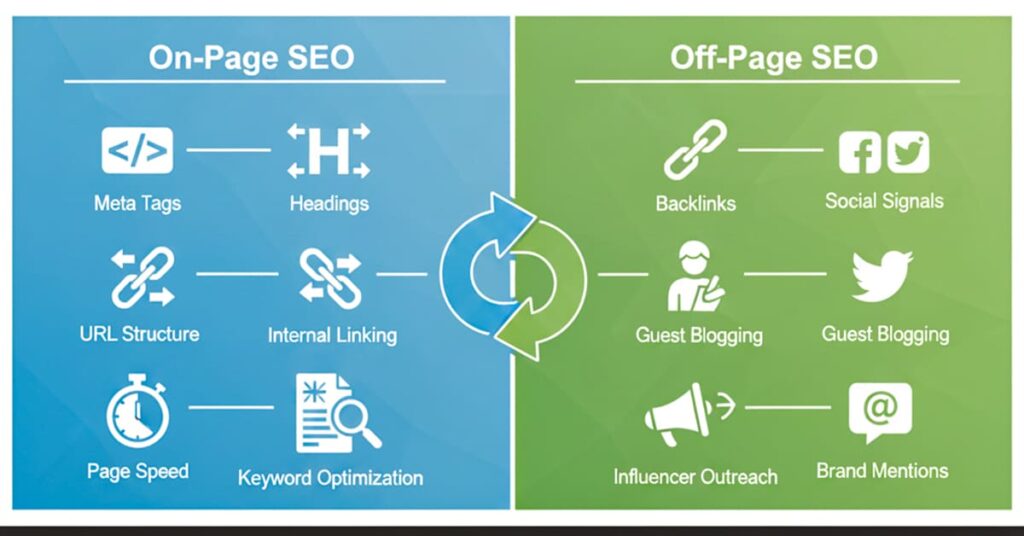
Off-page SEO encompasses all optimization efforts that happen outside your website to improve your search engine rankings and online authority. Unlike on-page SEO, which focuses on elements you directly control, off-page SEO relies on external factors that demonstrate your website’s credibility and reputation.
The Key Difference:
On-page SEO: Optimizing title tags, content, internal linking, and site structure
Off-page SEO: Earning backlinks, building social presence, and generating brand mentions across the internet
Real-World Example
Writing keyword-optimized content is on-page SEO, while getting TechCrunch to link to that content is off-page SEO. Both are essential, but off-page signals often carry more weight because they represent third-party validation.
Why Google Values Off-Page Signals
Search engines use these external factors as trust signals. When reputable websites link to your content, it’s like receiving a vote of confidence from industry peers. The more high-quality votes you accumulate, the more Google trusts your website as a reliable, authoritative source of information.
15+ Proven Off Page SEO Tips and Tricks That Actually Work
1. Master High-Quality Link Building (The Backbone of Off-Page SEO)
Backlinks remain the most critical off-page ranking factor. However, the game has evolved beyond simple quantity, modern off page SEO strategies focus exclusively on earning links from relevant, authoritative websites.
Top-Performing Link Building Techniques:
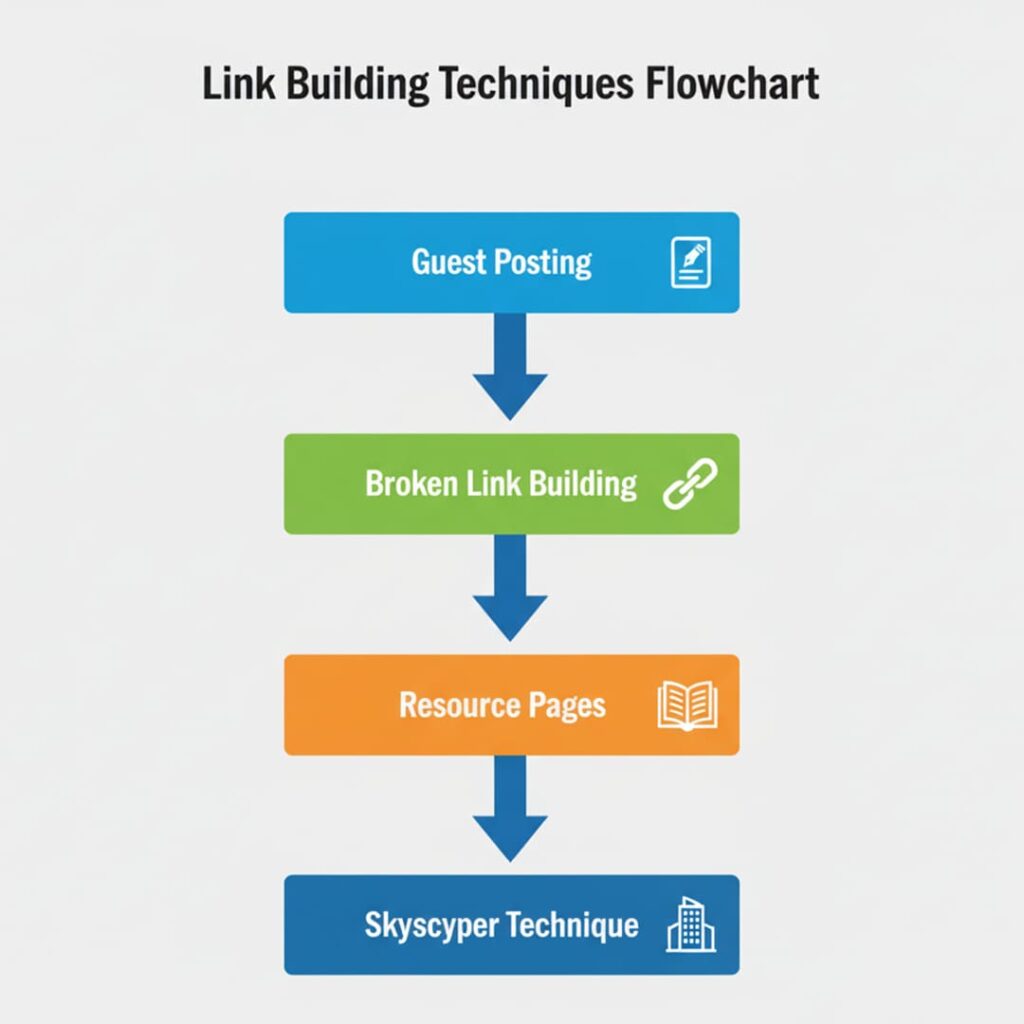
Guest Posting Excellence: Research from 2026 shows that creating high-quality, engaging content remains a key strategy for building high-quality backlinks, with 90% of marketers using this approach, and strategic guest posting remains a cornerstone approach.
Target reputable blogs in your industry and offer unique, data-driven content that provides genuine value. Always prioritize relationship-building over one-time transactions.
The Broken Link Building Method: This advanced off page SEO technique involves finding broken links on relevant websites and offering your content as a replacement. Tools like Ahrefs or SEMrush can identify these opportunities, giving you a competitive advantage.
Resource Page Outreach: Many websites maintain “resources” or “links” pages that curate helpful industry content. Getting featured on these pages provides high-value, contextually relevant backlinks that search engines love.
The Skyscraper Technique: Find popular content in your niche, create something significantly better, then reach out to everyone who linked to the original piece. Long-form articles exceeding 3,000 words attract 3.5 times more backlinks, making comprehensive resources particularly effective for this method.
Critical Warning: Around 95% of all pages have zero backlinks, emphasizing the importance of quality over quantity. Avoid spammy link building practices at all costs. Google’s algorithms can detect low-quality directory submissions, link farms, and paid link schemes, resulting in penalties that can devastate your rankings for months.
2. Leverage Social Media Signals for Maximum Impact
While social media signals don’t directly influence rankings, they’re powerful amplifiers for your off page SEO strategies. High engagement on social media often leads to more shares, likes, and comments, which can result in increased backlinks and mentions from other websites, generating high-quality backlinks and amplifying social signals which leads to enhanced search engine rankings.
Platform-Specific Strategies:
LinkedIn for B2B Authority: Share professional insights, industry commentary, and original research. LinkedIn content often gets shared by industry leaders who have their own websites and blogs, prime backlink opportunities.
Twitter/X for Real-Time Engagement: Participate in industry conversations, share breaking news commentary, and engage with journalists. Many reporters source story ideas and expert quotes from Twitter interactions.
Visual Platforms (Instagram/Pinterest): Create infographics and visual content that other websites want to embed. Always include proper attribution requirements to secure backlinks when your visuals get shared.
YouTube for Long-Form Value: Posts with videos earn more backlinks and see a 157% boost in search traffic. Create tutorials, industry analyses, and behind-the-scenes content that positions you as an authority worth linking to.
Pro Tip: Use social media to build relationships with influencers, journalists, and content creators who might feature your brand in future articles or link to your resources.
3. Master Brand Mentions and Digital PR Campaigns
Unlinked brand mentions are becoming increasingly valuable for off page SEO best practices. Google’s algorithms can recognize when your brand is discussed in relevant contexts, even without direct backlinks.
Digital PR Strategies That Work:
Newsworthy Content Creation: Develop original research, industry surveys, or expert commentary on trending topics. In 2024, 36.3% of SEO experts believed in building link assets, i.e. publishing high-quality articles, original research, infographics, etc.
HARO (Help a Reporter Out) Participation: Respond to journalist queries with expert insights. This strategy can land you high-authority backlinks from major publications like Forbes, Entrepreneur, and industry trade magazines.
Expert Roundup Participation: Many blogs create “expert roundup” posts featuring insights from industry leaders. Actively seek these opportunities and provide unique, quotable perspectives.
Brand Mention Monitoring and Conversion: Use tools like Google Alerts, Mention, or Brand24 to track unlinked mentions. Search engines began to factor in how often a brand was mentioned across the web, even if those mentions didn’t include a link. Research shows that 30% of unlinked mentions can be converted into backlinks with a simple outreach email.
Crisis Communication Excellence: Handle negative mentions professionally and publicly. This transparency builds trust and often converts critics into advocates who may reference your brand positively in future content.
4. Directory and Citation Building (Local SEO Powerhouse)
Strategic directory submissions remain a cornerstone of effective off page SEO strategies, especially for local businesses and niche industries.
High-Value Directory Types:
Industry-Specific Directories: Focus on directories that serve your specific niche rather than general submission sites. A backlink from a relevant industry directory can be worth 10x more than a generic listing.
Local Business Citations: 46% of all Google searches have local intent, making consistent NAP (Name, Address, Phone) information across directories like Google Business Profile, Yelp, and Yellow Pages crucial for local search authority.
Educational and Government Directories: Links from .edu and .gov domains carry exceptional authority. If your business qualifies for inclusion in educational or government directories, prioritize these opportunities.
Review-Based Platforms: Beyond traditional directories, platforms like TripAdvisor, Angie’s List, or industry-specific review sites provide valuable backlinks while improving your online reputation.
Best Practices:
- Maintain 100% consistency in business information across all platforms
- Include compelling business descriptions with relevant keywords
- Upload high-quality photos and regularly update your listings
- Respond professionally to all reviews, both positive and negative
5. Influencer Outreach and Strategic Partnerships
Influencer collaborations represent one of the fastest-growing advanced off page SEO techniques. The key is identifying influencers whose audiences align perfectly with your target market.
Effective Collaboration Strategies:
Micro-Influencer Partnerships: Micro-influencers (1K-100K followers) generate 60% higher engagement rates than mega-influencers and often provide more affordable collaboration opportunities with better ROI.
Co-Marketing Campaigns: Partner with complementary businesses or influencers to create joint content, host webinars, or cross-promote resources. These partnerships can generate 5-10 backlinks per campaign while expanding your reach.
Product Reviews and Endorsements: Send your products or services to relevant influencers for honest reviews. Authentic endorsements from trusted voices can drive both traffic and high-quality backlinks.
Expert Interviews and Quotes: Position yourself as an expert by offering quotes, interviews, or expert commentary to influencers creating content in your industry.
Long-Term Relationship Building: Focus on developing ongoing relationships rather than one-off transactions. Sustained partnerships typically generate 300% more backlinks over time compared to single collaborations.
6. Forum and Community Participation (Building Topical Authority)
Strategic community engagement is one of the most underutilized off page SEO best practices. Active participation in relevant communities establishes you as an industry expert while creating natural opportunities for backlinks and brand mentions.
High-Impact Community Platforms:
Reddit Engagement: The top websites in the US by traffic include Google, Wikipedia, YouTube, Reddit, making it a goldmine for exposure.
Participate authentically in relevant subreddits, provide valuable insights, and share resources when genuinely helpful. Follow each subreddit’s rules strictly to avoid penalties.
Quora Authority Building: Answer detailed questions in your expertise area. Well-crafted Quora answers can drive thousands of website visitors and position you as an industry thought leader. Include relevant links naturally within comprehensive answers.
Industry-Specific Forums: Join forums dedicated to your niche where potential customers and industry peers gather. Consistent, helpful participation often leads to direct business opportunities beyond SEO benefits.
Professional Communities: Engage in LinkedIn groups, Slack communities, and Facebook groups where your target audience is most active. Share insights and resources when appropriate, always leading with value.
Best Practices:
- Provide genuine value before promoting your content
- Follow community guidelines religiously
- Build relationships through consistent, helpful participation
- Use signature links strategically where permitted
7. Content Marketing for Off-Page SEO Success
Content marketing and off-page SEO work synergistically. Creating highly shareable, link-worthy content naturally attracts backlinks while establishing your authority across the web.
Link-Earning Content Types:
Original Research and Data Studies: Content with original research earns 77% more backlinks than content without data. Conduct industry surveys, analyze trends, or compile original statistics that other websites will want to reference.
Comprehensive Resource Guides: Create definitive guides that become the go-to resource in your industry. “Ultimate guides” receive 9x more backlinks than shorter articles because they provide comprehensive value.
Interactive Tools and Calculators: Develop free tools, calculators, or templates that solve common industry problems. Interactive content generates 52% more engagement and natural backlink opportunities.
Shareable Visual Content: Design professional infographics, data visualizations, and visual guides. Visual content is shared 40x more on social media and earns more backlinks than text-only content.
HARO Contributions: Regularly participate in Help a Reporter Out (HARO) requests. One quality HARO response can generate backlinks from major publications like Forbes, Inc., and industry trade magazines.
Content Syndication Strategy: Repurpose your best content across different platforms and formats. Turn blog posts into videos, infographics into social media posts, and guides into podcast episodes to maximize reach and backlink potential.
8. Video and Podcast Marketing (The Growing Giants of Off-Page SEO)
Video and podcast marketing are rapidly becoming essential components of advanced off page SEO techniques. These platforms offer unique opportunities to reach new audiences and earn high-authority backlinks.
YouTube SEO Optimization:
YouTube is the world’s second-largest search engine with over 2 billion monthly users. Optimize your video content with keyword-rich titles, detailed descriptions, and relevant tags. Include links to your website in video descriptions and encourage viewers to visit for additional resources.
Strategic Podcast Guest Appearances:
Podcast listenership has grown 20% year-over-year, creating massive opportunities for brand exposure. Guest appearances on relevant podcasts can earn valuable backlinks while positioning you as an industry expert to engaged audiences.
Video Content That Earns Links:
- Tutorial and How-To Videos: Educational content that other websites want to embed
- Industry Interviews: Conversations with experts that generate natural sharing
- Behind-the-Scenes Content: Authentic glimpses that humanize your brand
- Data Visualization Videos: Animated presentations of research findings
Podcast Hosting Benefits:
Hosting your own podcast creates ongoing content that attracts guests who often link to episodes from their websites. Podcasters typically see 25% more backlinks to their primary website compared to businesses without podcasts.
Content Transcription Strategy:
Always transcribe video and podcast content to create additional written content that search engines can index. Transcribed content often ranks for long-tail keywords that drive targeted organic traffic.
Advanced Off Page SEO Techniques (Pro-Level Strategies)
9. Competitor Backlink Analysis and Gap Identification
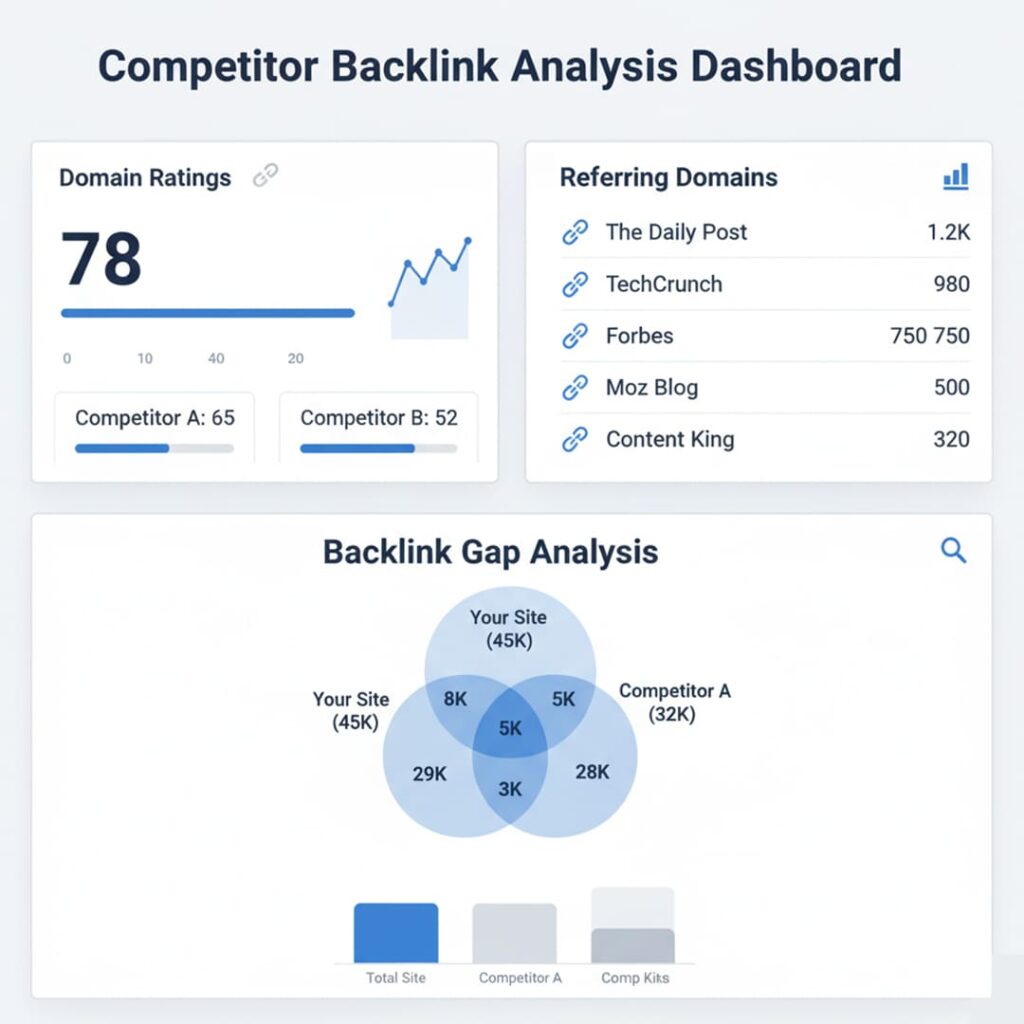
Smart marketers reverse-engineer their competitors’ success. 95% of all the pages have zero backlinks. But the 1 results have an average of 3.8 times more backlinks than the results that rank 2-10.
Use tools like Ahrefs, SEMrush, or Moz to analyze where your top competitors earn their backlinks, then pursue similar opportunities.
The Competition Analysis Process:
- Identify your top 5-10 competitors in search results
- Export their backlink profiles using SEO tools
- Filter for high-authority, relevant linking domains
- Prioritize opportunities based on domain authority and relevance
- Result: Discover 50-100 new link prospects per competitor analysis
10. Strategic Business Partnerships and Co-Marketing
Partnership-based link building generates some of the highest-quality backlinks. Collaborate with complementary businesses to create mutual value while earning authoritative links.
Effective Partnership Strategies:
- Joint Webinars: Co-host educational events that both companies promote
- Collaborative Content: Create industry reports or guides together
- Cross-Promotions: Feature partner content with proper attribution
- Supplier/Client Features: Showcase successful partnerships with backlinks
11. Digital PR and Media Coverage
Earned media remains one of the most valuable forms of off-page SEO. Getting featured in news outlets and industry publications provides high-authority backlinks and brand credibility.
PR Strategies That Work:
- Newsjacking: Comment on trending industry news with expert insights
- Awards and Recognition: Apply for relevant industry awards and recognition
- Speaking Engagements: Present at conferences and industry events
- Thought Leadership: Publish expert opinions on controversial industry topics
Best Practices for Off Page SEO Success
Quality always trumps quantity in modern off page SEO best practices. Search engines have become sophisticated enough to evaluate link quality, context, and relevance with remarkable accuracy.
The Quality-First Approach:
One link from a highly authoritative, relevant website provides more SEO value than dozens of low-quality links. Focus your efforts on earning links from websites that already rank well for keywords related to your industry.
Relevance Is King:
A backlink from a relevant industry blog with moderate authority often provides more SEO value than a link from an unrelated high-authority site. Google’s algorithms prioritize topical relevance when evaluating link value.
Brand Consistency Across Platforms:
Maintain 100% consistency in your business name, contact information, and brand messaging across all online platforms. Inconsistent information confuses search engines and dilutes your authority signals.
Natural Link Profile Development:
Diversify your link profile by earning different types of backlinks from various sources:
- Editorial links from news sites and industry publications
- Resource page links from industry directories
- Guest post links from relevant blogs
- Social profile links from your branded accounts
- Directory links from niche-specific platforms
Relationship-First Mentality:
Build genuine relationships before asking for favors. Engage with other website owners’ content, share their resources, and provide value before requesting backlinks or collaborations. This approach yields 3x better response rates than cold outreach.
Critical Mistakes That Can Destroy Your Rankings
These off-page SEO mistakes can trigger Google penalties that devastate your search visibility for months or even years.
The Black Hat Traps to Avoid
Link Purchasing and Schemes: Never buy backlinks or participate in link exchange schemes. An average backlink costs $361.44, but Google’s algorithms are sophisticated enough to detect most paid link networks. Penalties from these practices can take 6-12 months to recover from, even after cleanup efforts.
Over-Optimized Anchor Text Patterns: Avoid using exact-match keywords repeatedly in your backlink anchor text. Natural link profiles include:
- 30-40% branded anchor text (your company name)
- 20-30% generic phrases (“click here,” “read more”)
- 15-25% partial match keywords
- 10-15% exact match keywords
Low-Quality Directory Spam: Mass directory submissions to low-quality sites can harm your rankings. Focus on 10-15 high-authority, relevant directories rather than submitting to hundreds of generic listing sites.
Ignoring Link Quality Signals: Not all backlinks are created equal. Links from websites with these characteristics can actually harm your SEO:
- Unusually high outbound link counts (500+ links per page)
- Irrelevant content or off-topic websites
- Poor user experience metrics
- Known link farm or private blog networks
Neglecting Regular Backlink Audits: Regularly monitor your backlink profile using tools like Google Search Console, Ahrefs, or SEMrush. Disavow toxic links that could trigger algorithmic penalties.
How to Measure Off Page SEO Success (Data-Driven Results)
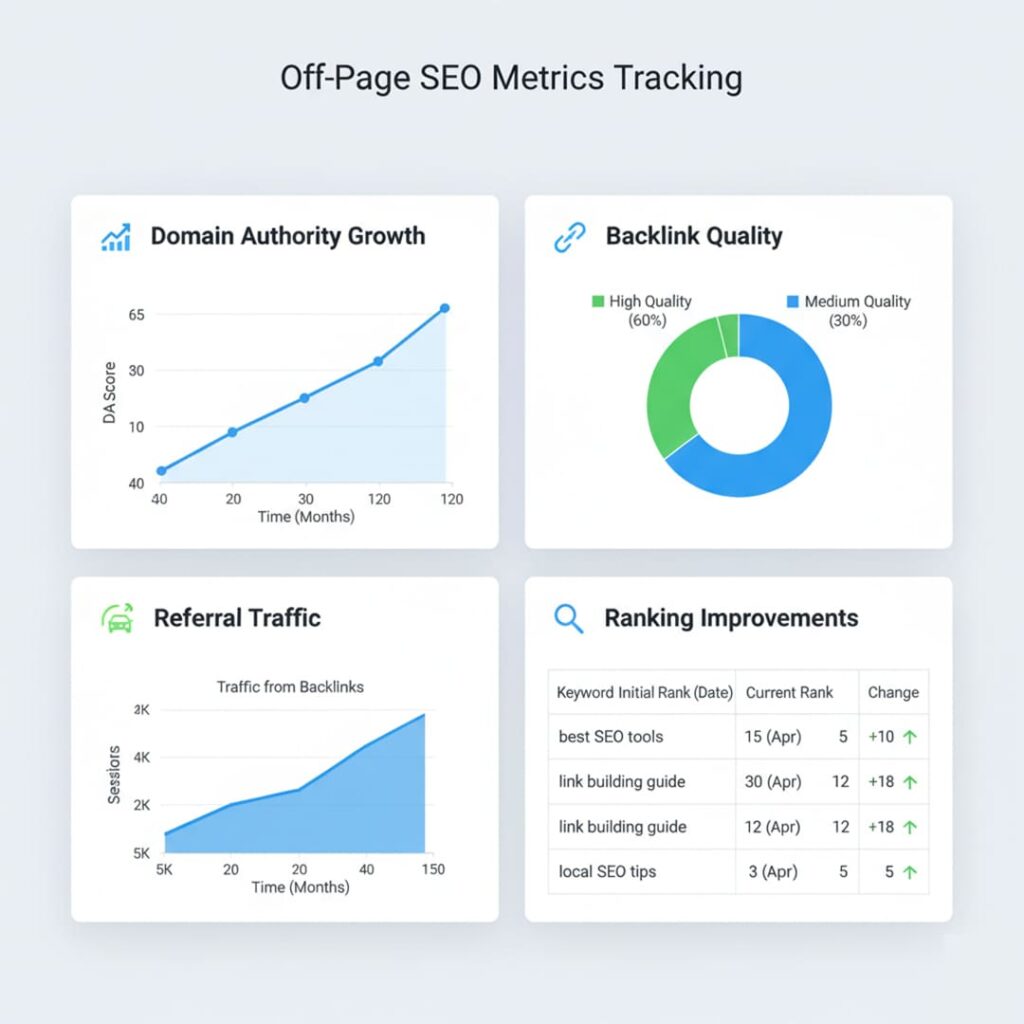
Tracking the right metrics ensures your off page SEO tips and tricks are delivering measurable results. Focus on these key performance indicators to optimize your strategy continuously.
Essential Tracking Metrics
Domain Authority Growth (DA/DR Scores): Monitor your Domain Authority (Moz) and Domain Rating (Ahrefs) scores monthly. While these aren’t official Google metrics, they strongly correlate with ranking improvements. Websites with DA scores above 50 rank 2x higher for competitive keywords than those below 30.
Backlink Quality and Quantity: Track both the number and quality of backlinks using comprehensive SEO tools:
- Total referring domains: Unique websites linking to you
- Link quality scores: Average authority of linking domains
- Topical relevance: Percentage of links from industry-relevant sites
- Link growth rate: New backlinks acquired per month
Referral Traffic Analysis: Monitor referral traffic in Google Analytics to understand which backlinks drive engaged visitors. Quality backlinks should generate visitors who:
- Spend 2+ minutes on your website
- Visit multiple pages per session
- Convert at rates similar to organic traffic
Brand Mention Monitoring: Track both linked and unlinked brand mentions using tools like:
- Google Alerts (free basic monitoring)
- Mention or Brand24 (comprehensive tracking)
- Ahrefs Content Explorer (competitor mention analysis)
Search Rankings for Target Keywords: Monitor your rankings for primary and secondary keywords using tools like:
- Google Search Console (free official data)
- SEMrush or Ahrefs (comprehensive rank tracking)
- Advanced tip: Track rankings for branded searches to measure brand authority growth
ROI Measurement
Organic Traffic Growth: The average monthly share of organic traffic is 58%, growing by 2.39% from January to December 2024. Successful off-page SEO typically increases organic traffic by 20-50% within 6 months. Monitor overall organic traffic trends to understand the cumulative impact of your efforts. Conversion Attribution: Set up proper attribution tracking to understand which off-page activities drive the most valuable traffic and conversions.
Conclusion: Your Off Page SEO Success Blueprint
Off page SEO tips and tricks require patience, consistency, and a long-term perspective, but they’re absolutely essential for achieving sustainable search engine rankings. The websites that consistently dominate search results understand that off-page SEO is about building genuine authority and trust, not gaming the system.
Key Takeaways for Success:
Relationship-First Approach: The most effective off page SEO strategies focus on building authentic relationships with industry peers, influencers, and content creators. These relationships naturally evolve into backlink opportunities, brand mentions, and collaborative content projects.
Quality Over Quantity Mindset: One high-quality backlink from a relevant, authoritative website provides more SEO value than dozens of low-quality directory submissions. Always prioritize earning links from websites that already rank well for industry-relevant keywords.
Diversification Is Key: Don’t rely on a single off-page SEO tactic. Combine guest posting, digital PR, influencer partnerships, community engagement, and content marketing for a robust, penalty-resistant strategy.
Consistency Drives Results: Off-page SEO is a marathon, not a sprint. Websites that consistently publish valuable content, engage with their community, and pursue quality link opportunities see compound growth over time.
White-Hat Focus: Avoid shortcuts like buying backlinks or participating in link schemes. These tactics might provide temporary gains but often result in long-term penalties that can take months or years to recover from.
Start implementing these proven off page SEO tips and tricks today, beginning with the strategies that align best with your current resources and industry. Remember that successful off-page SEO combines strategic outreach with genuine value creation, focus on helping others, and the SEO benefits will follow naturally.
Your Next Steps:
Choose 2-3 advanced off page SEO techniques from this guide, create a 90-day implementation plan, and start building the authority signals that will elevate your website above the competition. Focus on earning links from domains with high authority scores and relevance to your industry.